Essential Guide to Home Electrical Upgrades for Modern Living
Every home has a heartbeat. For modern living, that rhythm runs on electricity—quiet, constant, and often unnoticed until something goes wrong. If your house feels stuck in the past or you’re tired of flickering lights, buzzing panels, or the tangle of extension cords, it’s time to talk about upgrades.
Electrical improvements aren’t just about new gadgets. They’re about safety, peace of mind, and future-proofing your space. At Bram Town Electric, we understand how vital these upgrades are—for both comfort and safety.
Why Upgrade Your Electrical System? ⚡
Imagine your home’s wiring as the veins and arteries carrying lifeblood to every corner. When those lines are outdated or overloaded, you invite trouble. Upgrading isn’t just a luxury; it’s a necessity for:
- Safety: Old wiring, outdated panels, and overloaded circuits are major fire hazards. The National Fire Protection Association (NFPA) estimates thousands of house fires each year are caused by electrical faults.
- Home Value: Modern electrical systems attract buyers. Smart home features and certified wiring can boost your property’s resale value.
- Convenience: Tired of hunting for free outlets? Frustrated by blown fuses? Upgrades mean fewer headaches and more reliability.
- Energy Efficiency: New systems help you save on utility bills and reduce your environmental footprint.
- Future-Proofing: With the rise of electric vehicles, home automation, and increasingly powerful appliances, yesterday’s wiring won’t always handle today’s needs.
Popular Upgrade Options
What’s trending in home electrical upgrades? Here’s what we’re installing most often across homes and businesses:
Smart Home Systems
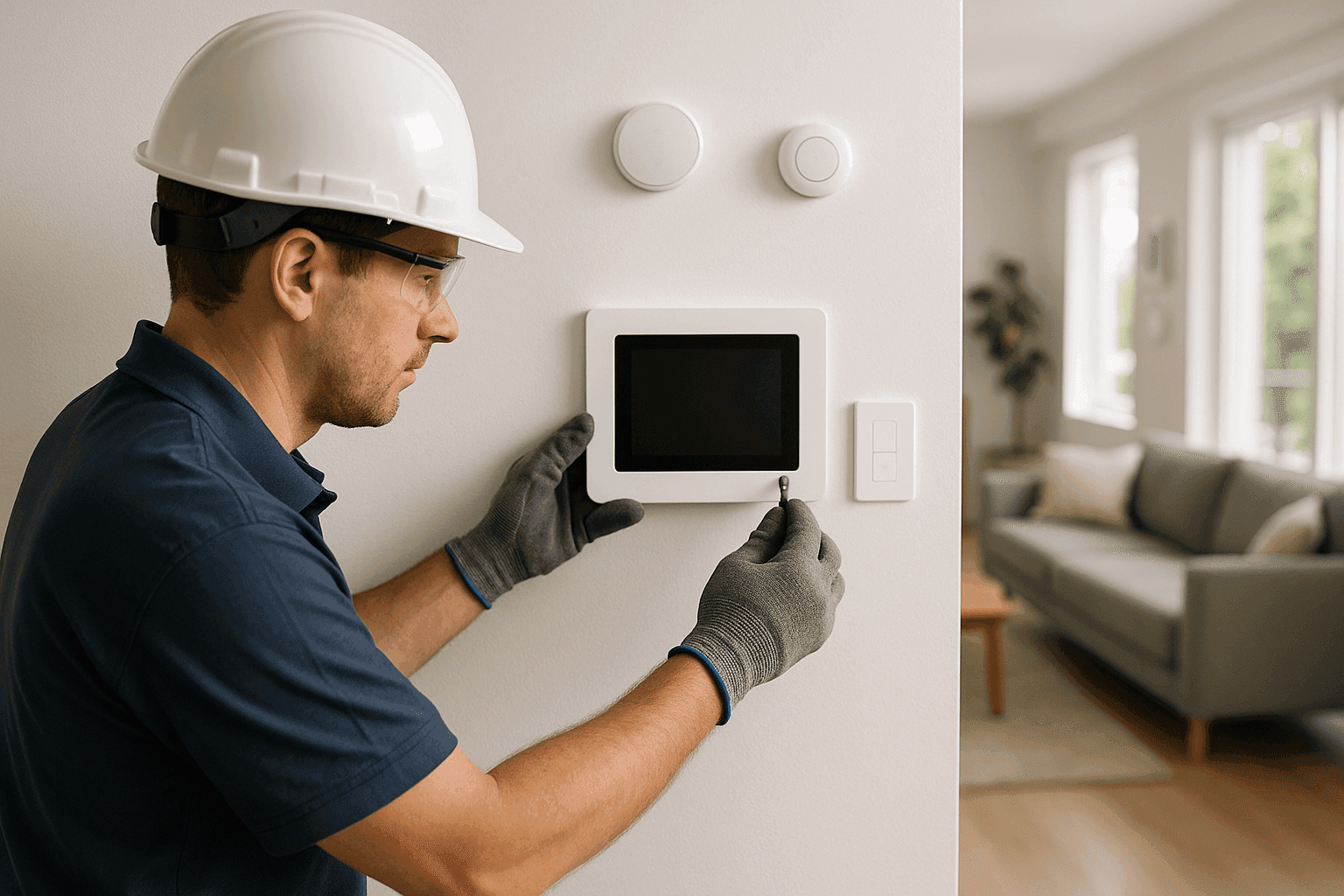
Think of smart devices as your home’s new command center. From thermostats you adjust from your phone to voice-activated lights and security, smart systems bring both luxury and practicality. With the right electrician, setup is seamless and safe.
EV Chargers
As more drivers go electric, a home EV charging station is quickly becoming a must-have. Proper installation is key—high-voltage wiring and breaker upgrades are often required. Certified electricians ensure safety and code compliance.
Energy-Efficient Lighting 💡
LEDs and smart lighting controls cut costs and brighten spaces. They last much longer and use a fraction of the energy. Upgrading old fixtures or adding dimmers also gives your home a fresh, modern feel.
Surge Protection
Power surges are like lightning strikes for your appliances. Whole-home surge protection guards against costly damage, especially important for homes with sensitive electronics and smart systems.
Planning and Installation Process
Upgrading your electrical system is not a leap into the unknown. Here’s what to expect when you call an electrician for re-wiring near you:
Step 1: Consultation
A licensed electrician visits your home or business, talks through your needs, and inspects your existing setup. This isn’t a quick look—it’s a thorough safety check.
Step 2: Design & Permits
Depending on the project, a design plan is created. For major work, permits are needed. Following the National Electrical Code (NEC) and local regulations is non-negotiable.
Step 3: Installation
From running new wires to mounting panels, certified electricians handle the heavy lifting. Expect some disruption—but a true professional keeps things tidy and safe throughout.
Step 4: Inspection
City or county inspectors sign off before the final switch is flipped. This is your assurance that everything meets the latest standards.
Step 5: Walkthrough
You’ll get a full explanation of your new system—how to use it, what to watch for, and when to schedule your next safety check.
Real-Life Upgrade Example
A recent client in a 1970s home wanted smart lighting and an EV charger. During the initial check, we found original aluminum wiring—a fire risk. We rewired the affected circuits, installed a new panel, and set up surge protection. The result: safer, smarter, and ready for the next decade.
Quick Safety Checklist
- Are your breakers tripping frequently?
- Do you notice dimming or flickering lights?
- Is your panel warm, buzzing, or rusty?
- Do outlets show signs of discoloration or buzzing?
- Are you relying on extension cords for everyday needs?
If you answered yes to any, it’s time to consult an electrician.
DIY vs. Call a Pro
It’s tempting to think you can tackle electrical projects on your own. But electricity isn’t like painting a wall or fixing a faucet. One wrong move can lead to fire, injury, or worse. Even installing a new outlet requires knowledge of codes and safety.
- DIY is fine for: Changing light bulbs, resetting breakers, or swapping faceplates.
- Call an electrician for: Re-wiring, panel upgrades, new circuits, or anything that requires opening a junction box.
What Pros Do On Arrival
When an electrician arrives, here’s what you can expect:
- Review your concerns and walk the property.
- Inspect panels, outlets, and major appliances.
- Check grounding and bonding.
- Use voltage testers and thermal cameras for hidden issues.
- Offer a clear plan and timeline—no surprises.
Prevention & Maintenance
Like a regular physical, electrical checkups catch problems before they become emergencies. Here’s what helps:
- Annual safety inspections (as recommended by the Electrical Safety Authority).
- Testing smoke and carbon monoxide detectors.
- Checking GFCI and AFCI protection.
- Tightening panel connections.
- Looking for signs of rodent damage or corrosion.
Costs & Time Factors
Every upgrade is unique. Factors that affect cost and time include:
- Scope: Simple lighting swaps take hours; full rewires can run several days.
- Age of Home: Older homes may require additional troubleshooting or code updates.
- Materials: Copper wiring, smart panels, and high-end fixtures all affect price.
- Permits & Inspections: Required for most major upgrades.
A trustworthy electrician will provide a detailed estimate before work begins.
When It’s an Emergency 🚨
Sparking outlets, burning smells, or a loss of power are red flags. Don’t wait. Shut off power at the main panel if safe, and call for emergency service. Bram Town Electric offers 24-hour help for urgent issues.
FAQ
Q: How often should I upgrade my electrical panel?
A: Most panels last 25–40 years, but if you’re adding high-powered appliances or experiencing issues, it could be time sooner.
Q: Can I install my own EV charger?
A: Installing an EV charger involves high voltage and complex wiring. Always hire a licensed electrician to ensure safety and code compliance.
Q: What does “code compliant” actually mean?
A: It means your electrical work meets the standards set by the National Electrical Code (NEC) and your local authority—essential for safety and insurance.
Q: Are smart home upgrades worth it?
A: For most, yes. Smart systems add convenience, energy savings, and can even boost home value.
Local & Seasonal Considerations
Not all upgrades are created equal. In areas with frequent storms, backup generators and surge protection become top priorities. Older neighborhoods often have legacy wiring that needs attention. If you have a pool or spa, special circuits and grounding are a must for safety.
Winter can put extra strain on panels and circuits, while summer brings heavy air conditioning loads. Regular inspections help avoid seasonal surprises.
Ready to take the next step toward a safer, smarter home or business? Call Bram Town Electric now — or reach us anytime at 877-757-6779 .