How to Diagnose Common Electrical Problems at Home
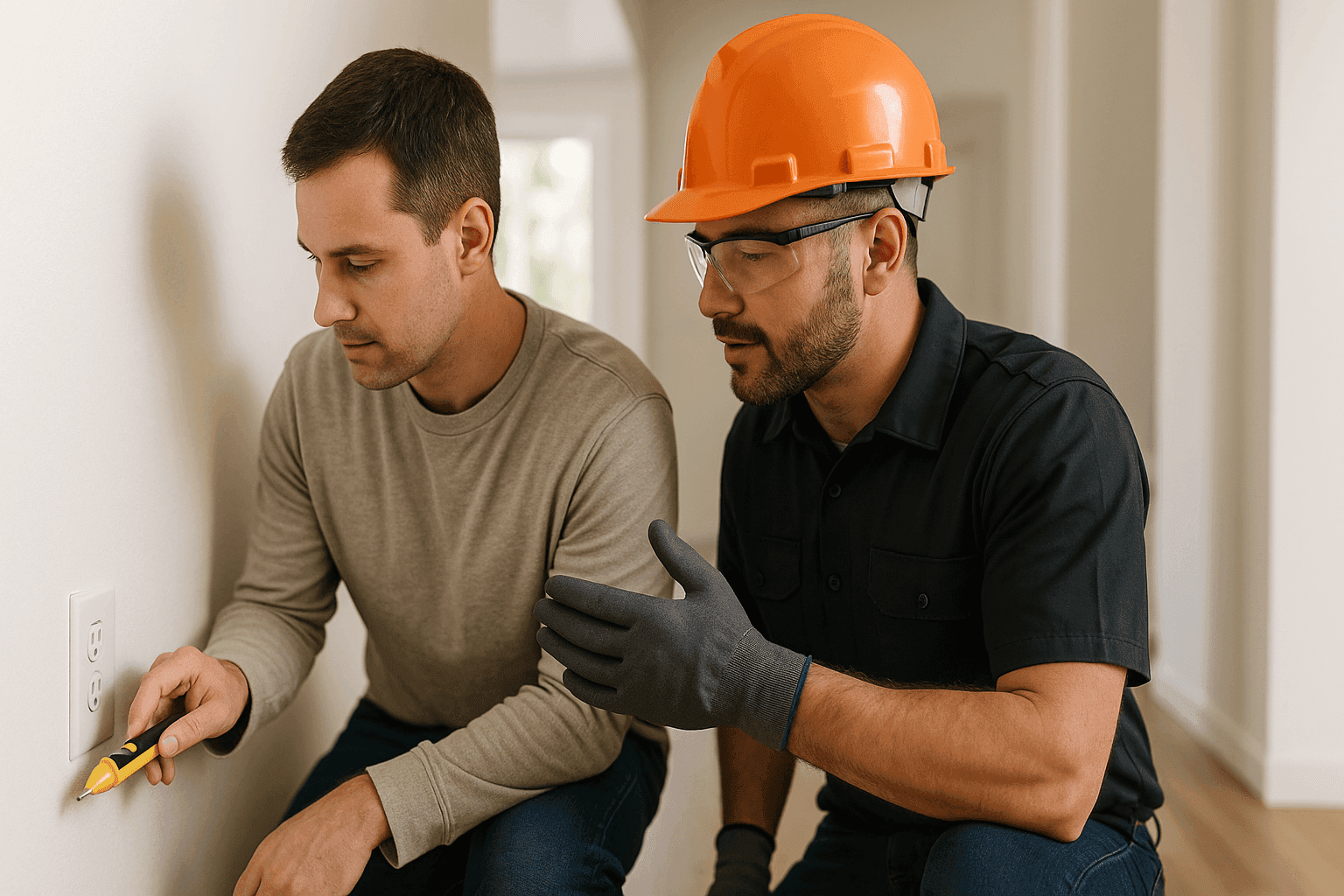
Ever had the lights flicker just as you’re about to relax? Maybe you’ve found an outlet that suddenly won’t work, or your breaker trips with a tiny pop—leaving you in the dark (literally and figuratively). Electrical problems at home can show up like uninvited guests: inconvenient, worrying, and sometimes a little scary.
At Bram Town Electric, we know those moments can be stressful. But there are safe ways to figure out what’s going on—so you can feel more in control, and know when to call in a licensed electrician.
Understanding Electrical Problems ⚡
First, let’s look at the most common electrical issues homeowners face. Think of your home’s wiring like the veins inside your walls—always busy, always important. When something goes wrong, it’s usually for a reason:
- Dead Outlets: Could be a tripped breaker, loose wiring, or a worn-out outlet.
- Flickering Lights: Often caused by loose bulbs, overloaded circuits, or faulty switches.
- Tripped Circuit Breakers: Usually means too many things plugged in, a short, or a ground fault.
- Buzzing or Sparking Outlets: Warning signs of damaged wiring or unsafe connections.
- Burning Smell or Warm Switches: Sometimes, this means wires are overheating—an urgent safety risk.
These issues don’t usually fix themselves. And while some problems come from old wiring or worn parts, others can signal bigger risks, like fire or electrical shock.
Step-by-Step Diagnostic Guide
When something’s not right, you can take a few careful steps to figure out the root cause. But remember: electricity is powerful. Treat it with respect.
Quick Safety Checklist
Before you do anything, run through this safety list:
- Turn off the power at the breaker before touching outlets or switches.
- Use insulated tools and wear dry, rubber-soled shoes.
- Never touch exposed wires or metal parts.
- If you smell burning or see smoke, stop—leave and call for help immediately.
- Don’t use water to put out electrical fires.
Troubleshooting Common Issues
Dead Outlets
- Check Nearby Outlets: Is it just one, or a whole room?
- Reset GFCIs: Bathrooms, kitchens, and outdoor outlets often have GFCI buttons. Press “reset.”
- Test the Breaker Panel: See if any switches are in the middle or “off” position. Flip them fully off, then back on.
- Plug in a Lamp: If it works elsewhere but not here, the outlet or wiring could be at fault.
Do’s:
- Do label your breaker panel as you go.
- Do test outlets with a voltage tester if you have one.
Don’ts:
- Don’t force a plug or open the outlet without cutting power.
- Don’t ignore repeated failures.
Flickering Lights
- Tighten Bulbs: Sometimes it’s that simple.
- Test with a New Bulb: Swapping out bulbs can rule out a faulty one.
- Check for Patterns: Flickers when appliances kick on? You might have an overloaded circuit.
Tripped Breakers
- Unplug Devices: Too many on one circuit is a common culprit.
- Reset the Breaker: If it keeps tripping, something deeper may be wrong—like a wiring fault or a failing appliance.
Important: If you’re ever unsure, stop and call an electrician. It’s not worth the risk.
When DIY Stops—Call a Pro
Some problems are like a blinking warning light on your dashboard. If you see these signs, don’t wait:
- Burning Odor: Smells like plastic or burning wires.
- Repeated Breaker Trips: Even after unplugging devices.
- Sparking or Buzzing Outlets: Sparks can start fires.
- Shock or Tingling: Even a tiny zap can signal danger.
- Outlets or Switches Are Hot: Overheating is a major red flag.
- Old Wiring: If your home’s wiring is cloth-insulated, aluminum, or shows frayed edges, it’s time for re-wiring near you.
The National Fire Protection Association (NFPA) and Electrical Safety Foundation International (ESFI) both recommend calling a licensed electrician for these situations.
What Pros Do On Arrival
When you call Bram Town Electric, here’s what you can expect:
- Thorough Inspection: We’ll check panels, outlets, wiring, and breakers.
- Professional Testing: Using certified tools to measure voltage, continuity, and load.
- Code Compliance: Ensuring your system meets the latest safety codes (like the National Electrical Code).
- Clear Explanations: We’ll walk you through what’s wrong, what needs fixing, and how to keep things safe.
Prevention & Maintenance
A stitch in time really does save nine. Here’s how you can keep electrical problems at bay:
- Don’t Overload Outlets: Spread out devices and use surge protectors.
- Schedule Regular Inspections: Especially in older homes, or after renovations.
- Replace Worn or Damaged Cords: Frayed cords are a fire hazard.
- Install Smoke & Carbon Monoxide Detectors: Test monthly.
- Upgrade Old Panels: If your panel is more than 30 years old, it may need replacing.
A little prevention goes a long way. It’s peace of mind you can count on.
Costs & Time Factors
Every job is different. Some fixes—like resetting a breaker—take minutes. Others, like rewiring or panel upgrades, are bigger projects. Here’s what can affect time and cost:
- Scope of Work: A single outlet vs. whole-house rewiring.
- Parts Needed: Modern safety upgrades or specialty equipment.
- Access: Hard-to-reach wiring takes more time.
- Emergency vs. Scheduled: After-hours calls (like 24 hour service) may cost more.
You’ll always get a clear explanation before any work begins.
When It’s an Emergency 🚨
Some situations can’t wait:
- Visible Sparks or Flames
- Electrical Fire (call 911 first)
- Flooded Outlets or Wet Wiring
- Power Outages with Burning Smell
- Electric Shock
If you’re in doubt, leave the area and get help right away. Your safety comes first.
FAQ
How often should I have my home’s electrical system inspected?
The ESFI recommends a professional inspection every 3–5 years, or after major renovations.
Is it safe to replace a light switch myself?
If you’re experienced and shut off power at the breaker, basic replacements can be DIY. But if anything looks unusual—call an electrician.
What’s the lifespan of home wiring?
Copper wiring can last decades, but insulation and connections wear out. Homes over 40 years old should be checked for safety.
Why do my lights dim when I use the microwave?
This often means you’re overloading a circuit. Dedicated circuits for big appliances, or an electrical system upgrade, may be needed.
Local/Seasonal Considerations
Stormy weather, winter chills, or summer heat waves can all cause extra strain on your electrical system. If you’re running heaters, air conditioners, or pool equipment, keep an eye out for warning signs. After major storms, have your wiring and panels checked—especially if you’ve had power surges.
Electrical problems are never convenient—but with a little know-how, you can keep your home safe and know when it’s time to call a pro.
Call Bram Town Electric now — or reach us anytime at 877-757-6779 .