The Real Cost of Electrical Rewiring: What Homeowners Need to Know
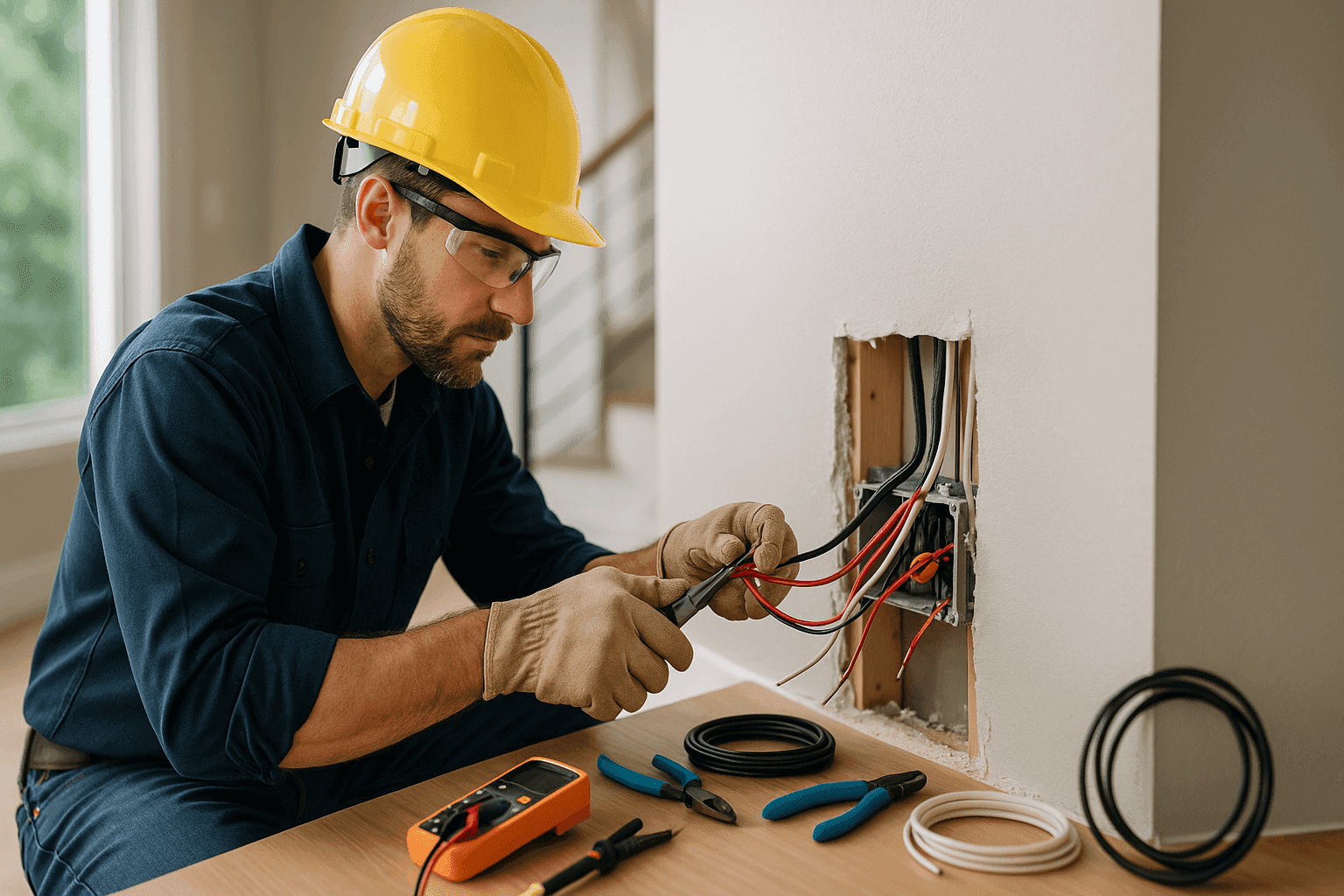
Are your lights flickering? Do outlets feel warm, or trip your breakers for no clear reason? Your wiring could be waving a red flag. At Bram Town Electric, we know how overwhelming the thought of rewiring your home or business can be. The cost. The mess. The disruption. It feels like opening a wall-sized can of worms.
But ignoring old or faulty wiring is like running a marathon in shoes full of holes. Eventually, you’re going to trip—and the consequences can be dangerous, even life-threatening. We’re here to help you see the real costs clearly, prepare with confidence, and keep your space safe and up to date.
Why Rewiring Is Essential ⚡
Rewiring isn’t just about keeping the lights on. It’s about protecting the people and things you care about from hidden dangers. Here’s why it matters:
- Safety First: Outdated wiring is a top cause of electrical fires, according to the National Fire Protection Association (NFPA). Modern wires and circuit breakers are designed to trip safely, not smolder in silence.
- Up to Code: Building codes change over time. What passed inspection in 1970 likely wouldn’t today. Upgrading keeps you compliant with the latest National Electrical Code (NEC) standards.
- Ready for Today: Smart homes, EV chargers, high-powered appliances—older systems weren’t built for the electrical load of modern life.
- Insurance & Resale: Many insurers may decline coverage or raise rates for homes with “knob and tube” or aluminum wiring. New buyers? They’ll ask about your wiring, too.
Rewiring isn’t optional when safety or compliance is at stake. It’s an investment in peace of mind.
What Influences the Cost?
Let’s break down what really drives the cost of re-wiring near you. It’s rarely “one size fits all”—think of it more like tailoring a suit than buying a t-shirt.
Home Size and Layout
- Square Footage: More space = more wire, outlets, switches, and time.
- Stories & Accessibility: Multi-story homes or those with finished basements and attics require more labor. Fishing wires through tight, finished spaces takes time—and patience.
Age and Condition
- Old Wiring Types: Knob and tube, cloth-insulated, or aluminum wiring takes extra care to remove safely.
- Panel Upgrades: Sometimes your electrical panel (the breaker box) needs an upgrade to handle new circuits.
Materials and Components
- Copper vs. Aluminum: Copper is the gold standard for safety and durability, but costs more than aluminum.
- Fixtures & Upgrades: Adding new outlets, switches, surge protection, or smart home features increases materials and labor.
Labor
- Licensed Electrician Rates: Hiring a qualified electrician may cost more upfront, but you’re paying for safety, code compliance, and experience. Rewiring is not a DIY project.
- Permits & Inspections: Required by law, and they add to the timeline and budget.
Typical Price Ranges
- Standard Homes: According to the Electrical Safety Foundation International (ESFI), rewiring an average home (1,500–2,500 sq ft) can range from $8,000 to $20,000+ in 2026, depending on the above factors.
- Unexpected Costs: Sometimes, hidden issues (mold, asbestos, structural repairs) are only found once walls are open. Always allow a contingency in your budget—think of it as a “rainy day” fund for your electrical system.
Budgeting and What to Expect
Planning for a rewiring project is like planning a road trip. You’ll want a map, a packed bag, and a little patience for those inevitable detours.
Timeline
- Assessment: 1–2 days for a full inspection and detailed quote.
- Permits: 1–2 weeks (depends on local regulations).
- Work: 5–15 days for most homes, longer for large or complex properties.
- Inspection: Final sign-off ensures everything meets code.
What Will It Feel Like?
- Disruption: Expect some drywall removal, dust, and noise. A reputable electrician will minimize mess and communicate daily progress.
- Partial Power Loss: Certain rooms may be offline for a day or two. Plan ahead for fridge, internet, and work-from-home needs.
- Access: Clear furniture from working areas and protect valuables.
Smart Budgeting Tips
- Get a detailed, line-item quote. Avoid “ballpark” numbers.
- Ask about contingency planning for unexpected discoveries.
- Check your electrician’s credentials and insurance.
At Bram Town Electric, transparency is our policy. No hidden fees, no surprise “add-ons” at the end.
Quick Safety Checklist 🛑
- Are outlets warm, buzzing, discolored, or sparking?
- Do fuses blow or breakers trip often without reason?
- Is your home wired with knob and tube, or aluminum wiring?
- Have you noticed flickering or dimming lights?
- Do you smell burning plastic or see scorch marks?
If you checked any of these, have a licensed electrician inspect your wiring soon.
Common Cost Factors at a Glance
- Home size & stories
- Age of wiring
- Electrical panel upgrades
- Permit & inspection fees
- Labor rates in your area
- Materials (copper, smart tech, surge protection)
- Accessibility (finished basements, crawlspaces, attics)
- Hidden repairs (mold, insulation, structure)
How Electricians Price Rewiring
Professional electricians follow strict industry guidelines. The National Electrical Code (NEC) and your local building authority set minimum safety standards. Reputable companies also use transparent pricing models. Look for:
- Clear estimates: A detailed breakdown, including parts, labor, permit fees, and any special equipment.
- Transparent communication: You’ll know what’s included before work begins.
- No surprise changes: Any unexpected issues are discussed with you before extra work is done.
How to Prepare for Rewiring
- Schedule work for when you can be flexible—some rooms may be off-limits temporarily.
- Move furniture and fragile items out of work zones.
- Ask your electrician for a daily progress update, especially if you have special needs (work-from-home, pets, etc.).
- Consider temporary living arrangements if the project is extensive or if you have young children.
Real-World Tips for Homeowners
- Always hire a licensed, insured electrician. Don’t cut corners—saving a few dollars today can cost much more down the line.
- Check references and ask about recent projects similar to yours.
- Keep a copy of all permits and inspection reports for your records and potential future buyers.
FAQ
How do I know if my home needs rewiring?
Look for signs like tripping breakers, flickering lights, buzzing switches, or outdated wiring types (knob and tube, aluminum). If your home was built before 1980, schedule an inspection.
Can I live at home during rewiring?
Most homeowners do, though certain rooms may be off-limits for a few days. Discuss expectations with your electrician before work begins.
Does insurance cover rewiring?
Typically, insurance won’t pay for planned upgrades, but may cover damage if faulty wiring causes a fire. Ask your insurer for details.
Is rewiring a good investment?
Absolutely. You improve safety, meet code, and often boost property value and insurability.
Local and Seasonal Considerations 🌦️
Older homes in humid or cold climates may have extra challenges—like moisture damage or insulation issues—that add time and cost. If you live in a historic district, special permits may be needed. Seasonal demand can impact scheduling, too—spring and fall are busy times for home upgrades.
No matter where you are, Bram Town Electric keeps up with national and local code changes, weather concerns, and building regulations. We’re ready to answer your questions and help you plan every step.
Call Bram Town Electric now — or reach us anytime at 877-757-6779 .